Grand Cayman may be best known for its beaches and turquoise waters, but look a little closer and you’ll find an island bursting with life. From the forests and mangroves on land to the coral reefs and shipwrecks below the surface, the place we call home supports a rich variety of flora and fauna.
It’s this diversity that makes our island such an extraordinary place to explore, whether you’re strolling through a nature reserve or gearing up to join one of our Grand Cayman East End diving tours.
For nature lovers planning a visit, this guide offers a snapshot of the ecosystems that make Grand Cayman unique. And while our island’s natural treasures are everywhere, the greatest wonders of all lie in the underwater world. Let’s get started! And if you have any questions for us as we go, please don’t hesitate to contact us.
Life in Grand Cayman Above the Waves
Grand Cayman’s terrestrial ecosystems are more varied than many visitors realise. Nature lovers with a sense of adventure can encounter everything from mangroves and coastal wetlands to the remnants of ancient dry forest. Each of these environments plays its part in supporting Grand Cayman’s varied wildlife.
The mangroves are particularly important. The vast Central Mangrove Wetland dominates the area east of the North Sound, but there are smaller, protected mangroves elsewhere along the coastline and even inland. These remarkable habitats act as nurseries for many species of fish and invertebrates, some of which later populate the reefs. But they’re home to parrots, West Indian Whistling Ducks, Snowy Egrets, and numerous other bird species, too. Our mangroves also buffer the island against storms and absorb carbon, making them vital for both people and nature.
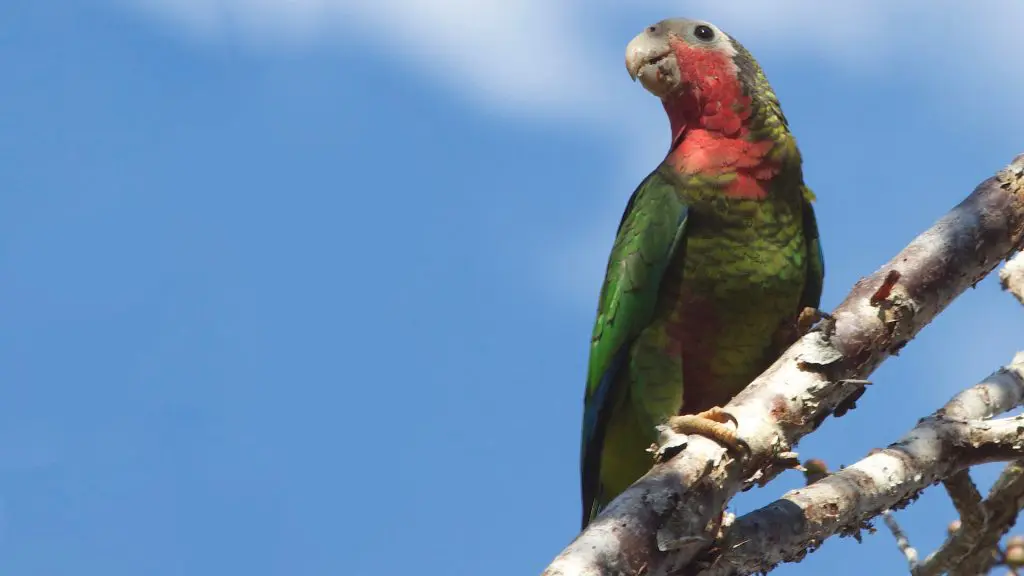
Further inland, the Mastic Reserve protects one of the last remaining tracts of subtropical dry forest in the Caribbean. Walking the Mastic Trail brings you closer to native trees and birdlife, including the Cayman parrot, the national bird of the Cayman Islands. These forests remind us that Grand Cayman is more than just sand and sea.
Even the beaches tell a story. Sandy stretches across our island serves as nesting grounds for sea turtles, a species that links Grand Cayman’s land and sea environments. Conservation efforts have helped their numbers grow, and spotting turtle tracks on the sand is always a thrill.
But while our island’s forests and wetlands are fascinating, the real adventure begins when you head offshore.

Coral Reefs: The Heart of Grand Cayman’s Marine Life
Grand Cayman’s coral reefs are among the most celebrated in the Caribbean. Encircling our island in varying configurations, these reefs are the foundation of our marine ecosystem. They provide food and shelter for fish, stabilise the coastline, and attract divers and snorkellers from around the world. And some of the best coral reef dive sites in Grand Cayman are right here in the East End!
Broadly speaking, you will find shallow fringing reefs, a deeper barrier reef, and the famous Cayman Wall creating a steep drop-off into the abyss. The fringing reefs create shallow, colourful environments teeming with life in the protected waters of the North Sound, such as at the Coral Gardens, and along the west coast. The deeper barrier reef runs along the north coast, extending to the east and south coasts.
These reefs are incredibly diverse. Hard corals such as brain, staghorn, and elkhorn form the structures, while vibrant soft corals sway with the currents. Look closer and you’ll see schools of grunts, parrotfish crunching on coral, and graceful angelfish darting through the formations. Groupers, snappers, and the occasional reef shark also patrol these waters. And there are many, many more creatures to encounter — we simply can’t cover them all here!
One of the best ways to experience Cayman’s reefs is with Tortuga Divers! Our 2-Tank Grand Cayman Wall Dive (AM) takes you to some of our island’s most spectacular dive sites, including Babylon, Anchor Point, Turtle Pass, and Northern Lights, to name a few. Or for a shallow reef tour, look no further than our 1-Tank Grand Cayman East End Dive (PM).
The East End is famous for its dramatic drop-offs, where reefs give way to deep blue water that plunges thousands of feet. For divers, it’s a chance to combine incredible scenery with encounters with larger pelagic species. Shallow reef dives are equally rewarding, particularly for spotting the smaller creatures that make the reefs so captivating.

Big Encounters in Grand Cayman: Turtles, Rays, and More
Few experiences compare with coming face-to-face with Grand Cayman’s most iconic animals. Sea turtles are often seen grazing on seagrass beds or gliding effortlessly above the reef. The water off Spotts Beach is one of the best places for turtle sightings. Green turtles are the most common, though hawksbill and loggerhead turtles also make appearances.
Stingrays are another highlight. Southern stingrays patrol the sandy seabed, most famously at Stingray City, while spotted eagle rays, with their distinctive markings and wingspans, soar gracefully through the blue. Their appearance is always a special moment.
Sharks, too, are an important part of the ecosystem. Nurse sharks and reef sharks are regular visitors to Grand Cayman’s reefs and wrecks. Far from the fearsome predators of myth, these sharks are generally docile and fascinating to observe in their natural habitat. Add to that the silvery flash of tarpon or barracuda, and it’s easy to see why diving in Cayman is so memorable. Each encounter feels like a glimpse into a thriving underwater world.
Looking to learn more about exploring the underwater wonders off our island’s east coast? We think you’ll appreciate reading our blog The Best Diving in Grand Cayman’s East End next!

Grand Cayman Wrecks as Artificial Reefs
Shipwrecks add another dimension to Cayman’s marine environment. Many have become artificial reefs, colonised by sponges, corals, and schools of fish. These wrecks are not just fascinating pieces of history; they’re now part of the ecosystem.
The most famous is the USS Kittiwake on the West side , a former submarine rescue vessel deliberately sunk in 2011. Today, she rests on her side (despite initially being upright) in shallow water, her decks and passageways alive with marine life. On a Kittiwake Grand Cayman dive, divers can explore both a piece of maritime heritage and a flourishing reef.
And there are multiple other wrecks around our island that offer similar experiences. Each has its own story, and each has been reclaimed by nature in remarkable ways. Exploring them is like stepping into the past while witnessing the adaptability of the ocean. Be sure to read our picks for the best shipwreck dives in Grand Cayman when you have finished here for even more inspiration.

Night-time Transformations in Grand Cayman’s Waters
Grand Cayman’s reefs are totally transformed at night. As darkness falls, corals unfurl their polyps to feed, while nocturnal creatures emerge from hiding. Lobsters scuttle across the sand, octopuses change colour as they hunt, and squid hover in the beams of torchlight.
Perhaps the most magical sight of all is bioluminescence, with tiny organisms glowing like stars in the water. A Grand Cayman night dive (which we run every Tuesday from Morritt’s Tortuga Resort dock) offers a completely different perspective on the reef, full of mystery and quiet wonder.
For more information about this otherworldly experience, don’t miss our Guide to Night Diving in the Cayman Islands. Are you looking to develop your diving skills during your stay? If the thought of diving after dark appeals to you, our PADI Night Diver Speciality course is a fantastic way to build confidence and make the most of these unique experiences.

Protecting Grand Cayman’s Ecosystems
Blessed with so much natural beauty, protecting Grand Cayman’s ecosystems is vital. Marine parks and wildlife reserves have been established to conserve habitats, while local organisations work tirelessly on projects such as turtle monitoring and coral restoration.
Visitors can help by travelling responsibly. Using reef-safe sunscreen, never touching or standing on corals, and respecting wildlife all make a difference. Small actions add up, ensuring that Cayman’s ecosystems continue to thrive for future generations.
At Tortuga Divers, we believe that exploring Cayman’s underwater world comes with a responsibility to protect it. Our team is committed to safe and sustainable diving, so every guest can enjoy the reefs while helping to preserve them.
Book Your Grand Cayman East End Diving with Us!
Grand Cayman is a place where nature thrives in many forms. The forests, mangroves, and beaches each play their part, but it’s the coral reefs and marine life that truly set our island apart. The underwater ecosystem is endlessly fascinating, and we can help you discover it.
Are you ready to start exploring our marine ecosystem? Browse our full range of Grand Cayman East End diving trips and see which tours catch your eye.
If you have any pre-booking questions for the Tortuga Divers team, please don’t hesitate to get in touch.