Grand Cayman and its sister islands of Cayman Brac and Little Cayman are well-known, highly regarded names in the scuba community. Divers from around the world travel here for warm water, excellent visibility, dramatic walls and wrecks, and an incredible range of underwater experiences that suit all skill levels.
But this reputation didn’t come overnight. It has grown over decades of exploration, supplemented by careful stewardship and the passion of local operators. All these factors have shaped our islands into one of the globe’s most respected dive destinations.
In this blog, we look back at how recreational diving took hold in the Cayman Islands, how it evolved, and how modern operators like Tortuga Divers carry that legacy forward today with our Grand Cayman East End diving tours. Scroll down to get started!

The Cayman Islands’ History is Rooted in the Sea
Long before recreational dives and dive shops, the Cayman Islands were shaped by the sea. The communities here grew up around fishing, boating, and seafaring traditions. The reefs, walls, and abundant fish life were known to locals, but leisure diving was still in its infancy.
That began to change in the second half of the 20th century as scuba technology became more accessible worldwide. Pioneers in the sport recognised the potential of the Cayman waters. Clear, warm, and protected by coral formations, our islands offered conditions that early visitors quickly identified as ideal for underwater exploration.
As recreational scuba developed globally, so too did the idea of diving in the Caribbean.
The Cayman Islands’ geology helped: we sit atop submerged mountains that create vertical drop-offs and walls close to shore, bringing dramatic underwater terrain within easy reach of divers. Just one look through our dive sites in Grand Cayman’s East End offers the perfect insight into what you can expect.

Growing Recognition and the Early Cayman Dive Culture
By the 1950s and 60s, recreational diving was taking off worldwide, and Cayman was already on the map. As early as 1957, scuba pioneer Bob Soto opened the first dedicated dive shop on Grand Cayman, a clear sign that our islands were being recognised for their underwater appeal.
These early years were defined by exploration and word-of-mouth. Divers who came for the novelty of clear water and accessible walls spread the word in magazines and clubs, helping the Cayman Islands build credibility within the growing dive community.
Events such as visits from notable figures encouraged even more attention. Legendary ocean explorer Jacques Cousteau visited Grand Cayman in 1976, drawn by the promise of untouched reefs and abundant marine life. He even stayed here in the East End!
As more operators opened and demand rose, dive culture on our islands matured. Safety standards improved, Grand Cayman dive training became commonplace, and the broader experience of visiting divers became a focus alongside that of underwater discovery.

Walls, Reefs, and Wrecks: The Landscape That Defines Cayman Diving
What truly sets the Cayman Islands apart is the variety and quality of our dive sites. The vertical walls around all three islands are a defining feature, with coral gardens cascading into blue depths and providing habitat for schooling fish, rays, and larger pelagics. Exploring these stunning ecosystems is an experience that divers often describe as breathtaking and truly unique.
Grand Cayman’s East End and North Wall are classic examples, offering steep drop-offs close to shore that feel like frontier diving without the logistical challenges of remote travel. The wealth of sites means there’s always something new to see, whether it’s a cavern to explore or a reef formation teeming with life.
Already tempted? Find out all about our 2-Tank Grand Cayman Wall Dive in the East End and the 2-Tank AM Grand Cayman North Wall Dive departing from Rum Point.
The introduction of wreck dives expanded the appeal of diving here further. The USS Kittiwake, sunk off Seven Mile Beach as an artificial reef in 2011, is now one of the most visited wrecks in the Caribbean, offering divers a chance to explore history alongside reef life. Many of Cayman’s wrecks began as unintended casualties of the sea, but now add depth and variety to the dive landscape.
Have we hooked you with the promise of even more adventure? The good news is that our parent company, Red Sail Sports, runs a 2-Tank AM Kittiwake Wreck Dive in Grand Cayman and a 1-Tank PM Kittiwake Wreck Dive. The AM dive departs from Seven Mile Beach on the west coast every Wednesday morning, while the PM dive is available on request.
The Role of Dive Operators in Shaping Cayman’s Present
As Cayman’s reputation grew, so did its dive infrastructure. Professional dive operators helped standardise safety practices, training, and guest experience, making our islands accessible to both novices and advanced divers.
Established in 1987, Red Sail Sports is one of the most recognised names in Grand Cayman diving. For decades, it has supported thousands of divers, run training courses, and contributed to the local dive culture across our island, from Seven Mile Beach to more remote areas.
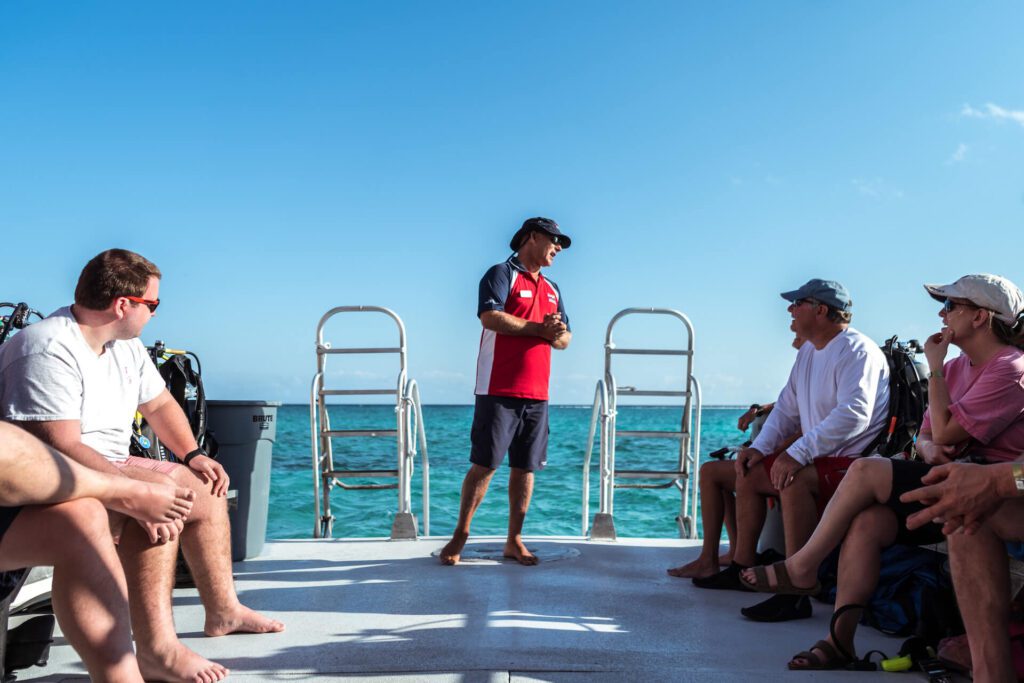
In 2001, Red Sail purchased what is now Tortuga Divers on Grand Cayman’s East End. Over the years, our company has become known for its focus on quality service, safety, and personal attention, helping visitors explore walls, swim-throughs, and reefs off the east coast with confidence.
Rum Point Club, our sister company within the Red Sail family, also plays a role in Grand Cayman’s diving story, offering accessible dive experiences in calm northern waters and complementing the broader range of Cayman dive operators.

The Reputation of Cayman Diving Today
Today, the Cayman Islands rank among the top dive destinations in the world. With over 365 documented dive sites, consistent water temperatures, excellent visibility, and protected reefs, divers return year after year.
This reputation is reflected in annual awards and industry recognition, with the Cayman Islands often appearing near the top of global dive destination rankings. Divers can enjoy everything from beginner-friendly shallow sites to advanced wall and wreck dives, and plenty in between.
If you’re new to Cayman diving but you’re hoping to visit soon, we think you will appreciate reading our guide What to Expect on Your First Dive in Grand Cayman. It’s a great way to help set expectations before arrival.

The Future of Diving in the Cayman Islands
Recreational diving in the Cayman Islands continues to evolve. Initiatives such as the Dive 365 programme highlight a commitment to expanding access while protecting popular sites and opening lesser-known locations.
Environmental stewardship is an increasingly important part of the story, too. Local dive operators, including Tortuga Divers, contribute to efforts that encourage responsible diving and reef stewardship. For example, the blog Eco-Conscious Diving: How We Protect Grand Cayman’s Marine Environment explores how the local dive community engages with conservation to secure the future of Cayman’s underwater world.
As dive education, technology, and conservation practices continue to advance, the Cayman Islands remain at the forefront of responsible, accessible diving.
Enjoy Grand Cayman East End Diving with Tortuga Divers!
Now you know more about the rich history of diving in the Cayman Islands, it’s time for you to experience our underwater world for yourself. Browse our range of Grand Cayman East End diving tours and see which of our adventures catches your eye.
Do you have any pre-booking questions for the Tortuga team? Please don’t hesitate to contact us for the answers you need.